
Drunk driving facts & statistics in Massachusetts reveal that Operating Under the Influence (OUI) continues to be a major public safety concern. In this state, a driver is OUI if their blood alcohol level is 0.08% or higher. For drivers who are under 21, the law is even stricter because there’s zero tolerance to alcohol.
These laws are in place to help prevent car accidents, injuries, and deaths caused by impaired driving. Each year, alcohol-related driving incidents result in many tragic accidents. Understanding the scope of the problem helps residents, policymakers, and law enforcement take informed action. This article examines statewide statistics, demographic and city-level trends, legal consequences, and prevention initiatives, while also addressing ongoing challenges such as polydrug impairment and daytime drinking.
Massachusetts Drunk Driving Laws
In Massachusetts, operating a vehicle under the influence of alcohol or drugs is classified as Operating Under the Influence, or OUI for short. This term is different from DUI (Driving Under the Influence) or DWI (Driving While Intoxicated), which are used in many other states. While the terminology may vary, the legal implications are serious, and the laws are enforced strictly to keep everyone safe on the roads.
The state enforces strict blood alcohol concentration (BAC) limits:
- Adults (21 and over): 0.08% BAC is the legal threshold for OUI. If you’re over this limit, it’s considered a crime, regardless of how you’re driving.
- Under 21: Massachusetts applies a zero-tolerance policy. This means that if there’s any alcohol in your system, you could face legal charges.
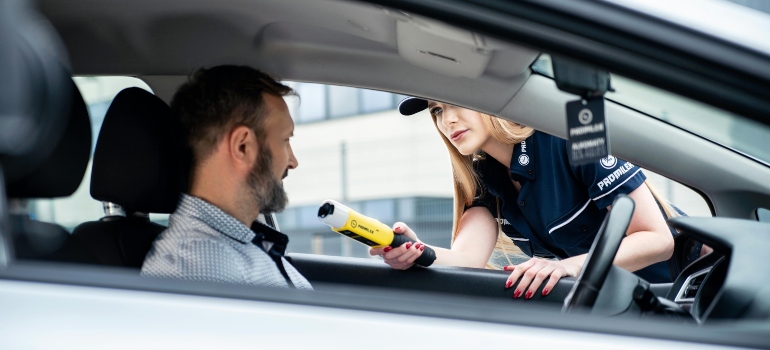
Penalties for OUI in Massachusetts
Penalties for OUI convictions are meant to discourage people from driving while under the influence of alcohol. Here’s a simple breakdown of what that can involve:
- Fines and license suspension: First-time offenders may have to pay fines that range from $500 to $5,000. Additionally, their driver’s license could be suspended for anywhere from 90 days up to a year, depending on how serious the situation is.
- Ignition Interlock Devices (IIDs): In many cases, offenders must install a device in their vehicle that checks for alcohol on their breath before the car can start. This is usually necessary for specific types of OUI offenses, repeat offenders, or if the person’s blood alcohol level was particularly high.
- Additional consequences: Beyond fines and devices, individuals may also have to go to alcohol education programs, be placed on probation, or even face time in jail.
Massachusetts has put in place strong laws to keep roads safer by limiting how much alcohol drivers can have in their system. These laws are clearly defined and are actively enforced, meaning there are serious consequences for those who break them, like requiring special devices in cars to prevent drinking and driving. The goal is to reduce the number of accidents caused by alcohol and make sure everyone can drive safely on Massachusetts roads.
Statewide Drunk Driving Facts & Statistics in Massachusetts
Drunk driving continues to pose a major safety challenge across Massachusetts. In 2021, approximately 34% of all fatal car crashes in the state were linked to alcohol—slightly higher than the national average of 31%.
That same year, 413 traffic deaths occurred in Massachusetts. Not every crash involved alcohol, but a large portion did, showing how dangerous impaired driving can be.
Each year, law enforcement officers make over 11,000 OUI arrests, ranging from first-time to repeat offenders. While the overall percentage of alcohol-related fatalities is higher than the U.S. average, Massachusetts reports a lower fatality rate per miles driven, indicating that prevention efforts and enforcement programs are working effectively.

Demographics & Trends
Analyzing drunk driving facts & statistics in Massachusetts reveals clear patterns across age, gender, and timing of crashes
- Age Group: Young adults aged 21 to 34 represent the largest group involved in alcohol-related accidents, reflecting higher social drinking rates and nightlife exposure.
- Gender: Males are nearly twice as likely as females to drive under the influence, a trend consistent with national statistics.
- Time of Day: Alcohol-related crashes are far more common at night, with nighttime fatalities nearly three times higher than those occurring during daytime hours. Weekends, particularly late-night hours, show the highest rates of impairment-related crashes, indicating the role of social drinking behaviors.
- Under-21 Involvement: National and state data suggest that alcohol-related crashes among underage drivers have declined over recent years, likely due to stricter enforcement, public awareness campaigns, and parental monitoring.
Some unusual situations have influenced recent trends in road safety. During the COVID-19 pandemic, Massachusetts experienced a temporary rise in drunk driving accidents in 2020 and 2021. This increase is easy to explain: fewer cars on the roads and riskier driving behaviors by some people. However, looking at the longer-term data, there has actually been a steady decrease in OUI accidents over the past ten years. This positive change shows that laws, educational campaigns, and enforcement efforts to reduce drunk driving are working.
Understanding these demographic and regional trends helps address the deeper causes of impaired driving, including alcohol addiction, through prevention, education, and access to treatment.
City-Level Data in Massachusetts
Drunk driving facts & statistics in Massachusetts indicate that some urban centers report higher per-capita rates than others. Big cities like Boston, which is the largest in the state, see a lot of arrests for driving under the influence (OUI). This is mainly because there are many people out late at night enjoying the nightlife. Other cities, such as Springfield and Worcester, also have high rates of these incidents due to challenges like poverty, more places to buy alcohol, and heavy traffic.
The situation differs significantly between cities and rural areas. In cities, there are usually more drunk driving arrests and alcohol-related accidents because of the busy streets, nightlife, and social drinking. On the other hand, rural areas might have fewer incidents, but when accidents do happen, they can be more serious. This is often because people drive faster, emergency help takes longer to arrive, and there aren’t as many public transport options available.
Suburban areas fall somewhere in the middle, often experiencing moderate levels of drunk driving. Commuter traffic and quick access to highways can influence their numbers.
It’s important for local governments and police to understand these differences. By recognizing which areas are at greater risk, they can focus their efforts on prevention and safety measures, ensuring that everyone in Massachusetts stays safe on the roads.

Consequences of Drunk Driving
Drunk driving has serious effects that go beyond just the crash itself, impacting people’s health, finances, and legal status. When someone drives under the influence of alcohol, they greatly increase the chances of getting into a bad accident that can result in severe injuries, such as brain injuries, spinal problems, and long-term disabilities. Those who survive these accidents often need extensive medical treatment and support, which can greatly change their lives for the worse.
The financial impact of drunk driving is also significant. The medical bills for people injured in these crashes can quickly add up to tens of thousands of dollars. On top of that, OUI offenders may face higher car insurance rates, hefty legal fees, and lost income due to taking time off work or spending time in jail.
In addition, there are serious legal consequences for drunk driving. Getting arrested for driving under the influence can result in a criminal record, which can make it harder to find a job, get specific licenses, or even travel. Punishments for such offenses can include fines, probation, mandatory classes on alcohol use, losing driving privileges, and even jail time. For individuals struggling with alcohol misuse, alcohol rehab in MA offers structured support and relapse prevention strategies to reduce repeat offenses and promote long-term recovery.
All of these factors show how dangerous drunk driving can be, which is why Massachusetts has strict laws and works hard to promote safe driving practices to help protect everyone in the community.
Prevention & State Initiatives
Massachusetts has implemented a range of measures to prevent drunk driving and reduce alcohol-related crashes:
- Alcohol & Substance Monitoring: Integrating alcohol monitoring with broader substance oversight, such as the Massachusetts Prescription Drug Monitoring Program (PDMP), which tracks controlled substances and can identify patterns of substance misuse that may contribute to impaired driving.
- Ignition Interlock Devices: OUI offenders, especially repeat offenders or those with high BAC levels, must install devices that prevent the vehicle from starting if it detects alcohol on the driver’s breath.
- Public Awareness Campaigns: Programs like “Drive Sober or Get Pulled Over” and statewide outreach efforts emphasize the dangers of impaired driving, targeting high-risk groups such as young adults and weekend drivers. These campaigns combine media messaging, community events, and collaboration with local organizations to reinforce safe driving behaviors.
- Law Enforcement and Community Programs: Sobriety checkpoints, targeted patrols, and collaborations with local organizations help identify impaired drivers and provide safe alternatives.
- Behavioral Health Integration: Organizations such as East Point Behavioral Health provide counseling, relapse prevention, and education programs designed to reduce impaired driving and promote long-term wellness.

Looking Ahead
Massachusetts has made meaningful progress in reducing alcohol-related crashes through strict laws, public awareness campaigns, and improved enforcement. Yet, challenges such as daytime drinking and polydrug impairment continue to affect road safety. Sustained efforts in education, prevention, and accessible treatment remain essential.
Community initiatives, behavioral health programs, and evidence-based therapies like cognitive behavioral therapy in Massachusetts services play a crucial role in addressing the underlying causes of risky driving behavior. These approaches help individuals recognize harmful patterns, manage stress, and make safer decisions behind the wheel.
By continuing to raise awareness about drunk driving facts & statistics in Massachusetts, expanding prevention programs, and improving access to mental health care, the state can build on its progress. Together, these strategies can reduce impaired driving, protect communities, and move Massachusetts closer to a future where every road is safe for all.